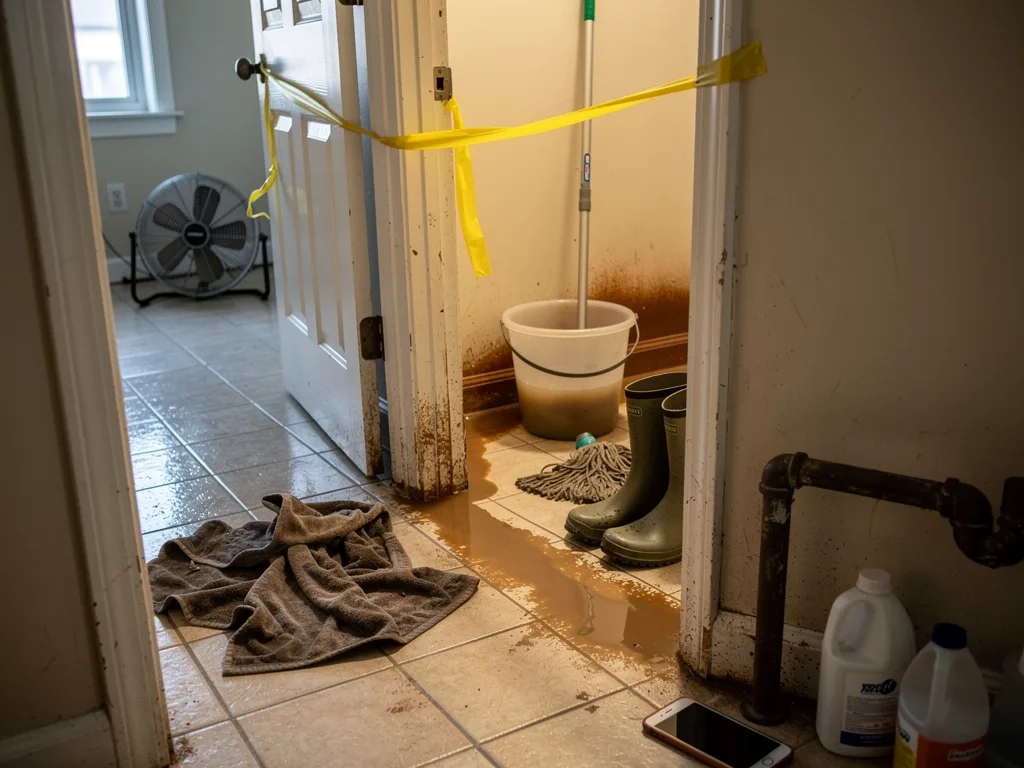
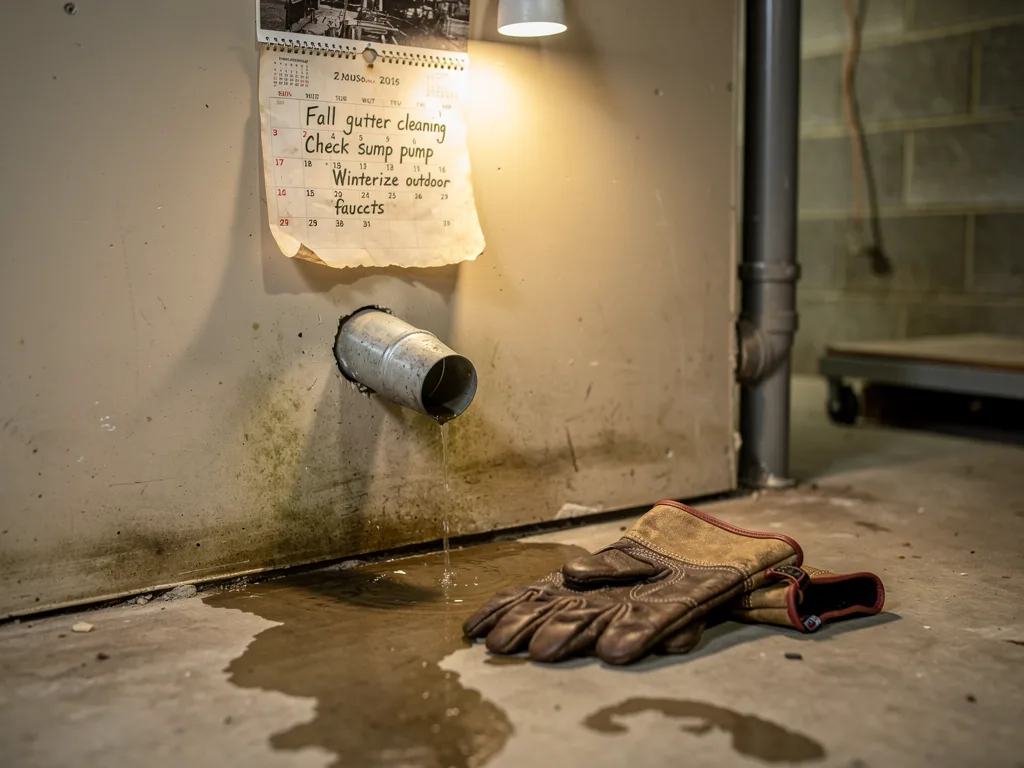
Seasonal triggers to watch for
Kansas City weather brings wet springs and cold winters. Heavy rains can push waste lines, and freezing temperatures can crack joints. Both scenarios create pressure points for sewage systems. Our restoration specialists see more callouts after spring rains when water finds new paths through damaged connections. In late fall and winter, freezing ground can shift underground lines, leading to leaks and odors inside the home.
Begin each season with a quick check of outdoor drainage, sump areas, and visible piping around the foundation. Notice any pooling water near the house or unusual dampness in basements after storms. These patterns are worth a closer look sooner rather than later.
Practical steps you can take now
Before heavy rain, clear any debris around exterior cleanouts and ensure the area around your foundation drains well. Keep rain gutters unclogged and direct runoff away from the house. A small investment in maintenance now can prevent costly restoration work later.
Inside the home, inspect the lowest levels for signs of moisture after a storm. If you see damp spots, a musty smell, or hear unexplained sounds from drains, contact a restoration specialist. In Kansas City, our team will tailor a plan that matches your home layout and your schedule.
Maintenance routines that pay off
Create a simple calendar for seasonal checks. We recommend testing water flow after heavy use, especially in homes with older waste lines. If you notice changes in drainage speed or new odors, arrange a quick assessment. Our restoration specialists can map out what parts need attention and what to monitor going forward.
Finally, be mindful of what goes down the drain. Fluids that are not water and items that should be disposed of in a trash can rather than flushed protect your pipes and reduce the risk of a major cleanup later on.